By: TechVanguard – SeaPRwire – Every year, the same scene plays out. Apple unveils a new iPhone operating system, social media fills with screenshots of fresh features, and millions of users face the same dilemma: upgrade immediately or wait. This year, ahead of WWDC26 and the arrival of iOS 27, that decision may be getting harder rather than easier. New features create excitement. Early software bugs create anxiety. The gap between those two emotions is exactly where Tenorshare has positioned its latest product, the iOS 27 Upgrade Downgrade Companion.
The company, known for iOS repair and device management software, has launched a free web-based decision tool designed to help users evaluate whether moving to iOS 27 actually makes sense for their specific situation. Instead of offering blanket recommendations, the platform asks users to identify their iPhone model, usage habits, upgrade motivations, and dependency on certain applications. Based on those inputs, the tool generates recommendations ranging from upgrading immediately to delaying installation until later software releases arrive. According to the company, no downloads, registrations, or advertising interruptions are involved. Alongside the recommendation engine sits an issue-tracking panel that monitors reported iOS 27 problems. Current categories include abnormal battery drain, overheating during charging or navigation, notification failures, unstable CarPlay behavior, Wi-Fi connectivity issues, and other commonly reported concerns. Each issue is paired with explanations and practical workarounds sourced from community feedback and forum discussions.
What makes this launch interesting is not the technology itself but the business logic behind it. Apple’s annual software cycle has quietly created a new category of user behavior. Many consumers want access to new AI capabilities and interface upgrades the moment they appear. At the same time, smartphones have become critical infrastructure for banking, work communication, transportation, and identity verification. A software update is no longer just an update. It can affect productivity, security, and daily routines. Tenorshare appears to be capitalizing on this growing caution. The company is not merely offering repair software. It is attempting to become a decision-support layer between Apple’s release schedule and consumer adoption. The embedded issue tracker reinforces that role by turning scattered community complaints into structured information users can actually act upon.
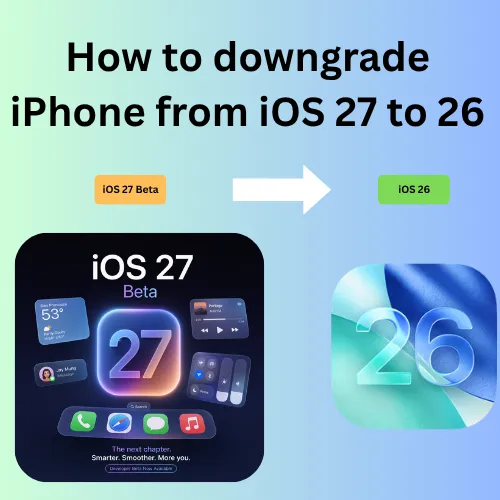
The second half of the strategy becomes clear when users decide they upgraded too soon. The press release highlights a familiar frustration: downgrading iOS versions through iTunes remains complicated for many consumers and often involves complete data loss. Tenorshare’s ReiBoot software is presented as an alternative, promising one-click upgrades or downgrades, automatic firmware matching, support for more than 150 iOS and Android system issues, and a simplified rollback path from iOS 27 to iOS 26. Whether users ultimately choose to upgrade or wait, the company has positioned itself at both ends of the decision process. In practical terms, that may be the most valuable place to stand in an era when software updates increasingly feel less like routine maintenance and more like risk management.
Author bio: TechVanguard, a senior technology columnist covering consumer platforms, software strategy, and the intersection between product design and user behavior for leading international tech publications.